
Hydraulic Rotary Seal Design: Overcoming Pressure, Speed & Thermal Friction
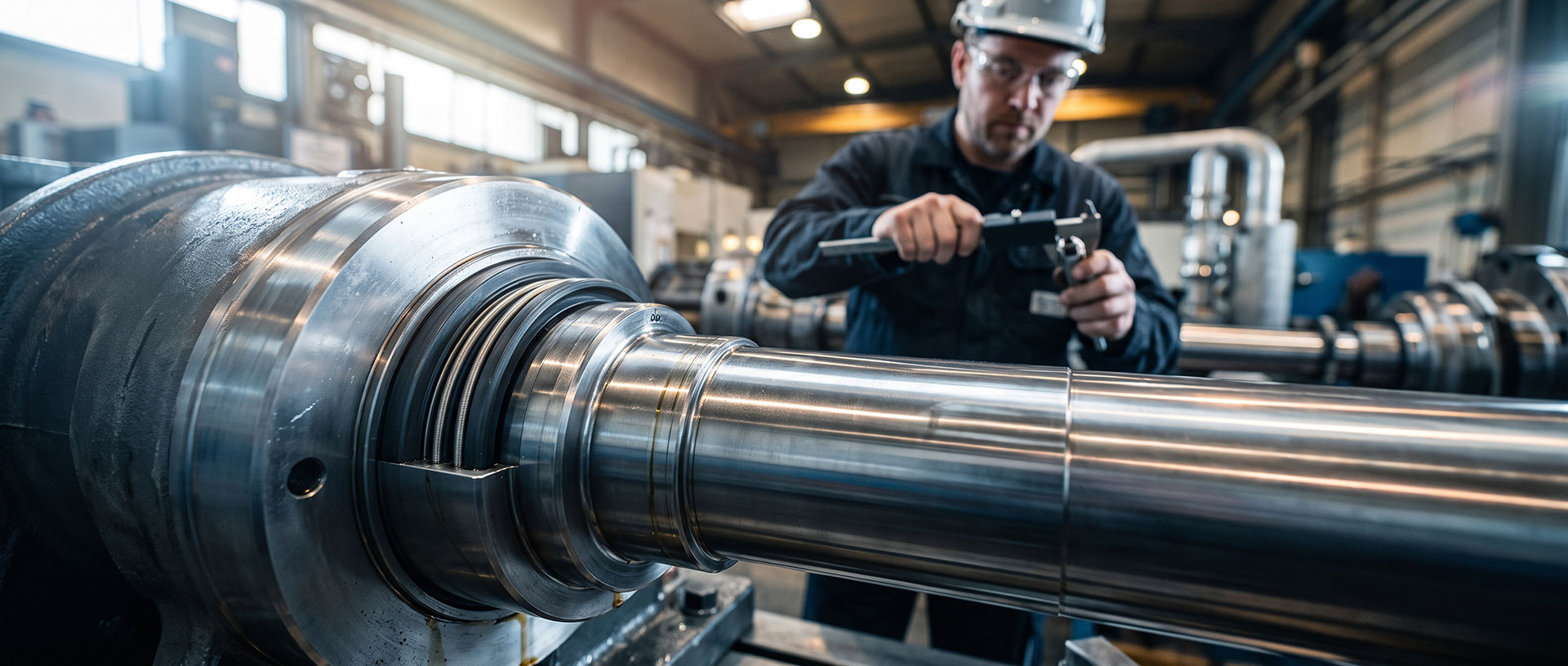
In fluid power systems, rotary applications present some of the most aggressive physical challenges in mechanical engineering. Unlike linear reciprocating rods or static interfaces, rotating shafts generate continuous dynamic shear, concentrated frictional heat, and accelerated lip wear. When internal fluid pressure is introduced to that equation, standard oil seals quickly fail.
Effective hydraulic rotary seal design demands an engineered compromise between fluid retention, low breakout torque, and thermal dissipation. Whether designing high-speed fluid couplings, rotary unions, or an industrial hydraulic pump, understanding how pressure-velocity limits interact with seal geometry is essential to maximizing system uptime and extending equipment life cycles. This is where American High Performance Seals’ engineering team excels.
Balancing Pressure & Velocity
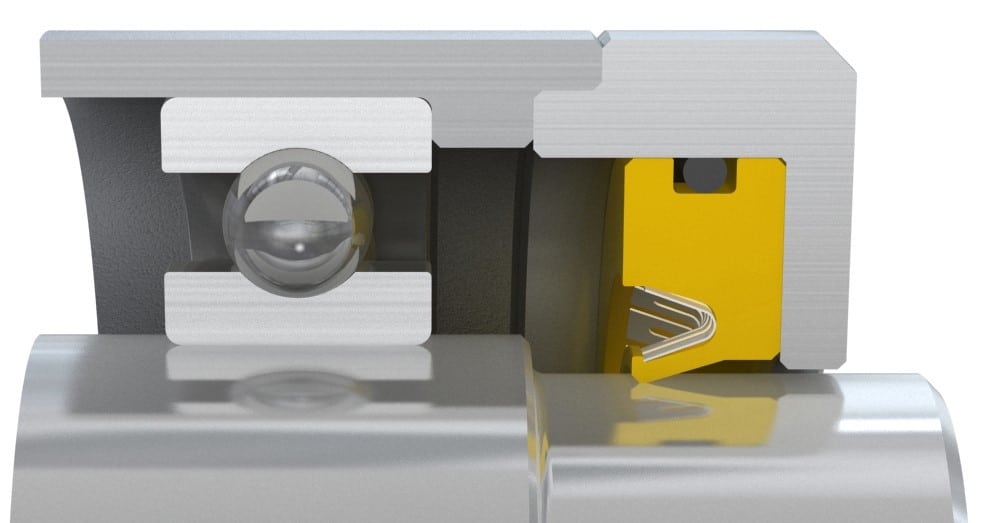
In static or low-speed rotation, internal pressure energizes the seal lip against the shaft, enhancing sealing contact. In rotary equipment, however, higher system pressures force the dynamic sealing lip into severe contact with the rotating shaft surface.
Hydraulic equipment can contain several sealing applications within the same machine. A cylinder produces linear movement, while a pump, motor or rotary coupling involves rotation. Those differences matter when selecting the seal.
Hydraulic cylinder rod seals and hydraulic piston seals serve reciprocating applications. Rotary shaft seals operate against rotating surfaces, where continuous sliding contact introduces different friction and heat considerations. Understanding the difference between sealing linear motion and retaining hydraulic fluids helps you choose the right starting point for a design.
Rotary Shaft Seals Must Match the Pressure at the Sealing Location
The presence of hydraulic fluid does not automatically mean every seal experiences the system’s full working pressure. The pressure acting at the sealing location must be identified.
Rotary shaft oil seals commonly retain lubricant in applications with little or no pressure. A pressurized rotating shaft may require a seal specifically engineered for that combination of pressure and movement. Treating these applications as interchangeable can lead to an undesirable outcome.
American High Performance Seals offers rotary sealing options for different operating demands, including oil seals, pressure-capable rotary designs and swivel seals. Their operating limits depend on the complete application, and maximum pressure and speed ratings should not be assumed to apply simultaneously.
Evaluate Speed, Heat & Lubrication Together
Pressure is only part of the design problem. Shaft movement produces friction at the sealing interface, and that friction generates heat. Lubrication helps manage contact between the seal and the moving surface.
A seal operating within an acceptable fluid temperature range can still encounter damaging conditions at its contact area. Excessive frictional heat can affect the seal material and shorten service life. Higher temperatures can also increase the risk of extrusion by softening sealing and support materials.
Optimizing hydraulic seal performance therefore requires a combined review of pressure, speed, temperature, and lubrication. Improving one specification without considering the others may leave the underlying limitation unresolved. American High Performance Seals’ technical guidance explains how operating conditions influence dynamic seal performance.
Give the Shaft Surface the Same Attention as the Seal
Even a carefully selected seal depends on suitable mating hardware. Surface scratches, scoring and machining marks can create leakage paths or accelerate wear.
A smoother surface is not automatically better in every case. The surface must support the lubrication or material transfer needed by the chosen seal. Hardware hardness also matters because the sealing material and the running surface must work together without causing excessive damage to either component.
For a hydraulic pump shaft seal, reviewing the shaft’s condition and finish should be part of the design discussion. Repeatedly installing new seals against unsuitable hardware can leave the original problem in place.
Build the Design Around the Application
An effective engineering discussion starts with useful application information. Before selecting hydraulic pump seals or developing a custom rotary arrangement, gather:
- Shaft and housing dimensions, drawings and available installation space.
- Pressure at the seal, including fluctuations during operation.
- Rotational speed and whether movement is continuous or oscillating.
- Fluid type, operating temperatures and lubrication conditions.
- Hardware specifications, service history and performance goals.
This information gives the engineering team a basis for evaluating both the sealing component and its surroundings. It also helps distinguish a straightforward replacement requirement from an application that needs further development.
Consult American High Performance Seals for Custom Rotary Solutions
American High Performance Seals provides application-specific seal design support that considers the seal, material and associated hardware. Its engineering resources include design software, material selection and prototype development. These capabilities support developing a seal around your equipment’s requirements, rather than relying solely on an available size.
Whether you are developing new hydraulic equipment or addressing a recurring maintenance problem, start with the operating details. American High Performance Seals can evaluate those requirements and develop a sealing approach suited to the application.
Selecting rotary shaft seals, hydraulic seals, and other types of seals is a challenging task, unless you have extensive seal knowledge. It’s advisable to have an experienced seal engineer handle it for you.
FAQs – Hydraulic Rotary Seal Design
Q: What is hydraulic rotary seal design?
A: Hydraulic rotary seal design is the process of selecting or developing a sealing arrangement for rotating or oscillating components exposed to hydraulic fluid. The design considers pressure at the seal, shaft speed, fluid compatibility, temperature, lubrication and mating hardware to suit the application.
Q: How do rotary shaft seals differ from hydraulic cylinder seals?
A: Rotary shaft seals accommodate rotating motion. Hydraulic cylinder rod seals and piston seals accommodate linear, reciprocating movement. These types of motion create different sealing demands, so a seal designed for a cylinder should not be assumed suitable for a rotating shaft.
Q: Can standard rotary shaft oil seals handle hydraulic pressure?
A: Standard rotary shaft oil seals generally serve lubricant-retention applications with little or no pressure. A pressurized hydraulic application may require a pressure-capable rotary seal. Selection should be based on the pressure at the sealing location and the seal’s approved operating conditions.
Q: What information is needed to select a hydraulic pump shaft seal?
A: Useful information includes shaft and housing dimensions, pressure at the seal, rotational speed, fluid type, operating temperatures and lubrication conditions. Shaft surface finish, hardness, movement and previous seal failures also help an engineer evaluate the application.
Q: Why might a hydraulic rotary seal leak after replacement?
A: Recurring leakage may indicate that the replacement seal does not match the operating conditions or that the mating hardware needs attention. Surface damage, an unsuitable surface finish, excessive frictional heat, or pressure beyond the seal’s capabilities can contribute to ongoing problems. Hydraulic seal failure analysis can help identify the cause before another replacement is selected.
Q: When should a custom hydraulic rotary seal be considered?
A: A custom design may be appropriate when available seals cannot meet the application’s dimensions, pressure, speed, temperature or fluid requirements. American High Performance Seals can evaluate the seal, material, housing and mating hardware to develop an application-specific sealing solution.